Jain stotra literature offers more than devotional poetry. It provides multiple entry points into the path of self purification, right understanding, and liberation. Among these, the Kalyan Mandir Stotra, Svayambhustotra, and Vishapahara Stotra are regarded as matchless and unique masterpieces.
Though all three arise from Jina Bhakti, they differ significantly in focus, tone, and purpose. Studied together, they reveal the full spectrum of Jain spiritual life.
Introduction: Three Matchless Jain Stotras, One Spiritual Goal
While Jain devotion may appear unified on the surface, it accommodates different inner needs. Some seekers require philosophical clarity, some seek emotional transformation, and others turn to devotion in moments of crisis. These three stotras address all three dimensions, guiding the soul toward the same ultimate goal: liberation through inner purification.
Overview of the Three Stotras
Kalyan Mandir Stotra
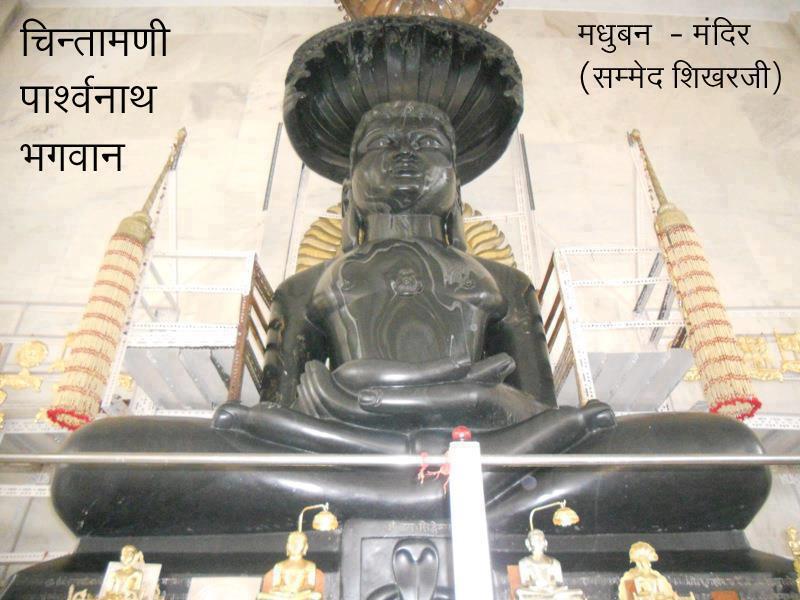
Composed by Ācārya Kumudacandra, the Kalyan Mandir Stotra is dedicated to the twenty third Tīrthaṅkara, Lord Pārśvanātha. It is deeply devotional and metaphorical, focusing on inner transformation, karmic dissolution, and surrender. The hymn speaks in the language of poetry and lived experience.
Svayambhustotra
Composed by Ācārya Samantabhadra, the Svayambhustotra is an adoration of all twenty four Tīrthaṅkaras. It is philosophical and analytical in tone, establishing the logic of omniscience and the Jain doctrine of Anekāntavāda. Rather than emotional praise, it appeals to reason and discernment.
Vishapahara Stotra
Composed by Kavi Dhanañjaya, the Vishapahara Stotra is known for its specific association with removing poison and life threatening danger. Its devotion is urgent and practical, addressing immediate human suffering while still resting on the Jain understanding of a passionless Lord.
Key Dimensions of Comparison
To understand how these stotras function differently yet harmoniously, it is helpful to examine them across a few essential dimensions.
1. Difference in Subject Matter and Scope
Focused Devotion vs Universal Adoration vs Practical Relief
The Kalyan Mandir Stotra focuses on a single Tīrthaṅkara(Lord Pārśvanātha) and the devotee’s inner journey.
The Svayambhustotra takes a universal approach, addressing the nature of truth and omniscience across all Tīrthaṅkaras.
The Vishapahara Stotra narrows its focus to a specific human crisis, showing how devotion responds to suffering.
Each scope serves a different spiritual need.
2. Philosophical and Devotional Orientation
Logic, Metaphor, and Miraculous Faith
The Svayambhustotra is rooted in logic and philosophy. It dismantles blind faith and establishes truth through reason.
The Kalyan Mandir Stotra relies on poetic imagery and metaphor to describe inner change.
The Vishapahara Stotra expresses faith through immediacy, where devotion becomes a lifeline.
Together, they represent intellect, heart, and lived faith.
3. Composed in Moments of Crisis
When Devotion Emerged Under Pressure
Tradition holds that the Svayambhustotra was composed when Ācārya Samantabhadra was compelled to bow before a Shiva symbol. His recitation led to the manifestation of the Tīrthaṅkara image.
The Kalyan Mandir Stotra was composed in the court of King Vikramaditya to answer a doctrinal challenge. Its recitation revealed Lord Pārśvanātha from within a Shiva Linga.
The Vishapahara Stotra arose from a deeply personal crisis, when Kavi Dhanañjaya’s son was bitten by a snake and reportedly revived through the hymn.
In all three, crisis becomes the soil for spiritual expression.
How an Indifferent God Still Liberates
All three stotras emphasize the same core Jain principle. The Tīrthaṅkara is Vitaraga, free from attachment, praise, or blame. He does not intervene or grant favors.
Yet devotion still works.
The devotee is transformed inwardly. Remembrance of the Lord generates pure inner states that dissolve karma. Liberation occurs not through divine action, but through self purification.
This theology unites all three stotras.
Comparative Table: Kalyan Mandir, Svayambhustotra, and Vishapahara Stotra
| Aspect | Kalyan Mandir Stotra | Svayambhustotra | Vishapahara Stotra |
|---|---|---|---|
| Composer | Ācārya Kumudacandra | Ācārya Samantabhadra | Kavi Dhanañjaya |
| Primary Object of Devotion | Lord Pārśvanātha | All 24 Tīrthaṅkaras | Jina |
| Scope | Focused and personal | Universal and comprehensive | Specific and situational |
| Core Orientation | Devotional and metaphorical | Philosophical and logical | Practical and miraculous |
| Primary Aim | Inner purification and karmic dissolution | Establishment of Jain truth and omniscience | Removal of poison and immediate danger |
| Philosophical Emphasis | Transformation of the soul through devotion | Anekāntavāda and omniscience | Natural removal of suffering |
| Use of Metaphors | Extensive poetic imagery and analogies | Minimal, logic driven | Simple and direct |
| Tone | Tender, introspective, devotional | Analytical, authoritative, declarative | Urgent, protective, faith based |
| Crisis of Composition | Composed in King Vikramaditya’s court to answer a challenge | Composed under compulsion to bow before a Shiva symbol | Composed when the author’s son was bitten by a snake |
| Associated Miracle | Shiva Linga splits revealing Lord Pārśvanātha | Manifestation of Tīrthaṅkara image | Revival and cure from poison |
| View of the Lord | Vitaraga and indifferent to worldly affairs | Vitaraga and beyond praise or blame | Vitaraga and naturally beneficent |
| Concept of Grace | Grace arises through inner alignment of the devotee | Grace through understanding and right knowledge | Grace through remembrance and purity |
| Role of Bhakti | Central and transformative | Secondary to knowledge | Essential and urgent |
| Role of Jñāna | Supportive of devotion | Primary foundation | Implicit |
| Role of Karma | Karma loosens through inner presence of the Lord | Karma dissolves through right understanding | Karma manifests as poison or danger |
| Miraculous Reputation | Removal of obstacles and fears | Intellectual clarity and faith validation | Poison removal and protection |
| Literary Style | Rich alankaras and imagery | Philosophical prose in verse form | Simple, focused verses |
| Sectarian Acceptance | Digambara and Śvetāmbara | Primarily Digambara, widely respected | Widely accepted in practice |
| Use in Daily Practice | Recited for devotion and spiritual upliftment | Studied for doctrinal clarity | Recited in emergencies and rituals |
| Ultimate Goal | Moksha through devotion and purity | Moksha through right knowledge | Moksha through karmic relief |
How These Three Stotras Complement Each Other?
Knowledge, Devotion, and Lived Faith
The Svayambhustotra grounds the seeker in right understanding.
The Kalyan Mandir Stotra softens the heart and transforms the inner landscape.
The Vishapahara Stotra addresses immediate suffering and restores faith during crisis.
Together, they form a complete spiritual ecosystem.
Which Stotra Should a Seeker Turn To?
According to Inner Need and Spiritual Stage
A seeker confused about truth may turn to the Svayambhustotra.
A seeker longing for inner purification may resonate with the Kalyan Mandir Stotra.
A seeker facing fear or danger may instinctively turn to the Vishapahara Stotra.
Each serves when approached with sincerity.
Conclusion: Three Voices, One Jain Vision
Though distinct in style and purpose, these three stotras speak in harmony. They affirm that Jain devotion is neither blind faith nor emotional excess. It is thoughtful, inward, and transformative.
They remind us that liberation is not granted, but uncovered.
Reflective Takeaway for the Reader
These stotras invite us to notice where we stand on the path. Whether we seek understanding, transformation, or relief, Jain devotion meets us there. And slowly, quietly, it leads us inward, where the real work of liberation begins.